

Heather Darch
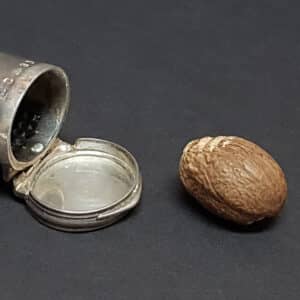
Did you know that the nutmeg grater used to be a status symbol and a very particular fashion accessory well into the 19th century?
The man in the daguerreotype may never be identified, but his photograph reflects his sense of self as a labourer and his pride-of-place.
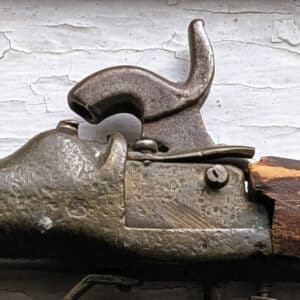
Mary’s pistol is a fine example of a mid-19th-century woman’s firearm. It also represents the greater story about a devastating famine, the damaging political policies that came with it, and an extraordinary journey in one woman’s life.

In the Missisquoi Museum’s collection is an artefact painted by a German Prisoner of War (POW) who was incarcerated in Farnham, Quebec.
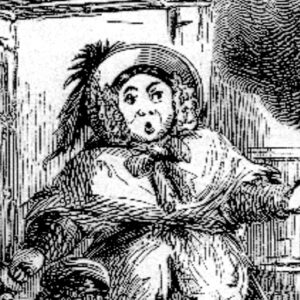
Human combustion stories became a fashionable topic in the 19th century after grisly cases were reported in papers and scholarly journals.
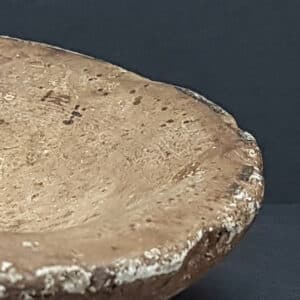
According to archaeologists, this stone bowl represents the first people who lived in this region between the Late Archaic and Early Woodland eras.
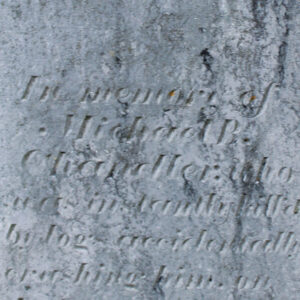
Some gravestones stand out as a reminder of the perils our earliest settlers faced. Accidental deaths were frequent.
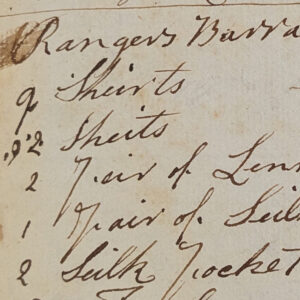
The work of women in settlement history matters as the sensibilities and experiences of men give only half of the story.